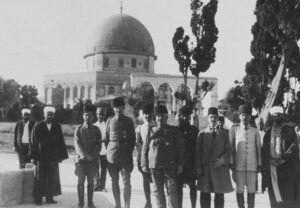
The origins of the Israeli-Palestinian conflict are deeply rooted in the historical, religious, and political dynamics of the region, stretching back over a century. Here’s an overview of the key factors that shaped the conflict:
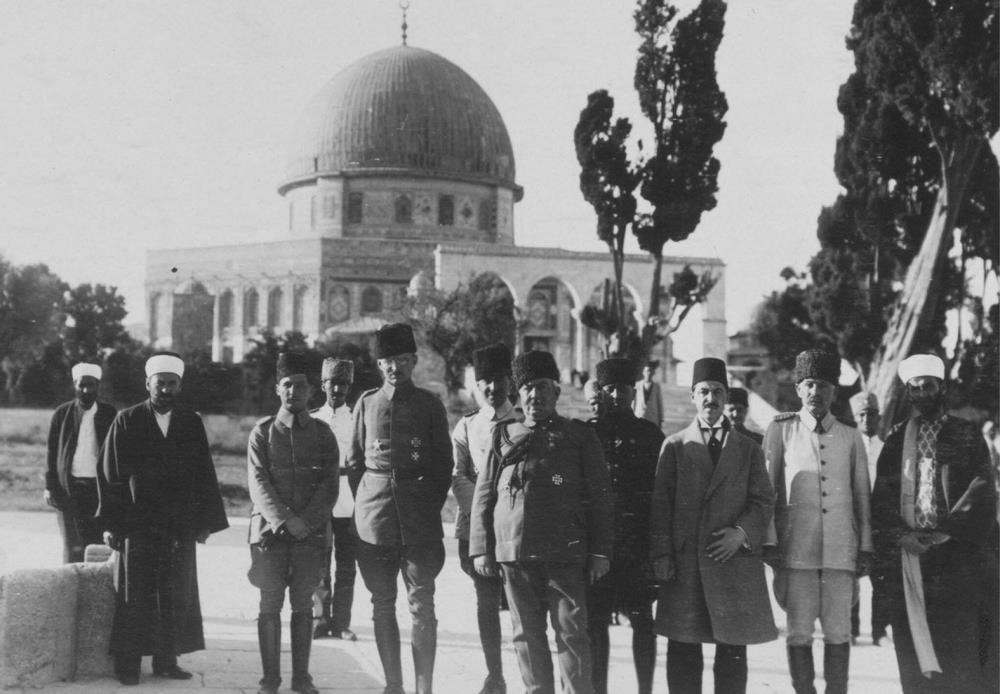
1. Historical Context (Ottoman Empire and Early Zionism)
- Late 19th Century: The area known as Palestine was part of the Ottoman Empire, with a mixed population of Muslims, Christians, and Jews, though Muslims formed the majority.
- Rise of Zionism: In the late 1800s, Zionism emerged as a nationalist movement among Jews, advocating for the establishment of a Jewish homeland, largely in response to rising anti-Semitism in Europe. Palestine, the historical home of the Jewish people, became the focus of this movement, though Jews were a small minority in the region at the time.
- Arab Nationalism: At the same time, Arab nationalism was also on the rise, with many Arab populations under Ottoman and later European colonial rule seeking self-determination.
2. British Mandate (1917–1948)
- Balfour Declaration (1917): During World War I, Britain issued the Balfour Declaration, expressing support for the establishment of a “national home for the Jewish people” in Palestine, while also stating that the rights of existing non-Jewish communities should not be undermined. This was interpreted differently by Jews and Arabs, and tensions began to rise.
- British Mandate (1920–1948): After World War I, the League of Nations granted Britain control of Palestine, and Jewish immigration increased, especially with the rise of fascism and Nazism in Europe. This led to growing tensions between the Jewish and Arab communities, as the Palestinian Arabs viewed the increasing Jewish immigration and land purchases as a threat to their own national aspirations.
- Arab-Jewish Violence: Violent clashes between Jews and Arabs occurred periodically, such as in 1929 and during the Arab Revolt of 1936-1939. Both sides felt their futures were at stake, with Jews seeking a secure homeland and Arabs seeking to stop what they saw as a colonial encroachment.
3. World War II and the Holocaust
- The Holocaust (1939-1945) had a profound impact on the Jewish population, intensifying calls for a safe and independent Jewish state. Post-war, international sympathy for Jewish survivors of the Holocaust grew, and Jewish immigration to Palestine surged.
- British Struggles: Britain found it increasingly difficult to manage tensions between Jews and Arabs and announced plans to withdraw from Palestine. They turned the issue over to the newly formed United Nations.
4. United Nations Partition Plan (1947)
- In 1947, the United Nations proposed a partition plan to divide Palestine into two states: one Jewish and one Arab, with Jerusalem as an international city under UN administration. Jewish leaders accepted the plan, though they were not entirely satisfied with the borders, but Arab leaders rejected it, seeing it as unfair since they were the majority population at the time.
- Civil War: After the UN vote, violence between Jews and Arabs escalated into a civil war.
5. Creation of Israel and 1948 War
- Declaration of the State of Israel: On May 14, 1948, the State of Israel declared its independence. The next day, neighboring Arab states (Egypt, Jordan, Syria, Lebanon, and Iraq) invaded the territory, marking the beginning of the 1948 Arab-Israeli War.
- Palestinian Exodus (Nakba): During the war, hundreds of thousands of Palestinian Arabs fled or were expelled from their homes, an event Palestinians refer to as the Nakba (meaning “catastrophe”). Many became refugees in neighboring Arab countries, and their descendants remain refugees today.
- End of the War: By the time the war ended in 1949, Israel had gained more territory than what was initially allotted by the UN partition plan. The remaining Arab territories were divided between Jordan (which annexed the West Bank and East Jerusalem) and Egypt (which took control of Gaza).
6. Post-1948 Developments
- No Palestinian State: The 1948 war resulted in the absence of an independent Palestinian state, which has remained a central grievance for Palestinians. The Palestinian refugee crisis also began, with many Palestinians still living in refugee camps in neighboring countries or in the West Bank and Gaza.
- Further Wars and Occupations: The conflict continued with major wars in 1956, 1967 (Six-Day War), and 1973 (Yom Kippur War). In 1967, Israel occupied the West Bank, East Jerusalem, Gaza Strip, and the Golan Heights, territories it still controls (or has annexed) to varying degrees. This occupation has been a source of ongoing conflict and resistance.
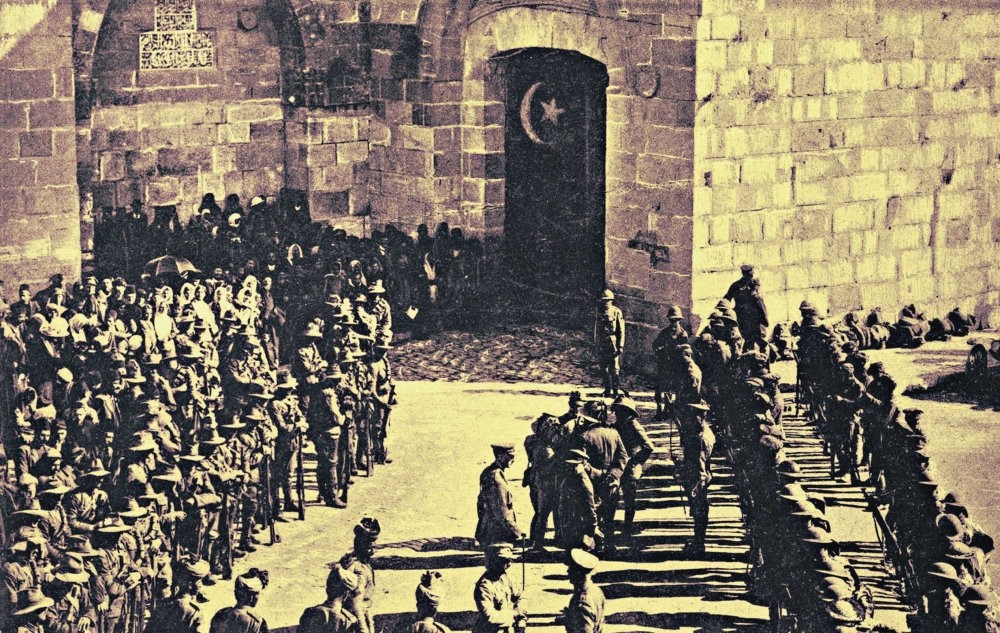
7. Palestinian Resistance and Nationalism
- PLO and Armed Struggle: The Palestine Liberation Organization (PLO) was formed in 1964 with the goal of creating a Palestinian state. Initially committed to armed struggle, it carried out attacks against Israeli targets, but later shifted towards diplomacy.
- Intifadas: Two major Palestinian uprisings (the First Intifada in 1987–1993 and the Second Intifada in 2000–2005) highlighted Palestinian discontent with Israeli occupation. These were marked by widespread protests, violence, and Israeli military responses.
8. Peace Efforts and Ongoing Conflict
- Oslo Accords (1993): The Oslo Accords marked the first major peace effort between Israelis and Palestinians. It led to the creation of the Palestinian Authority, which was granted limited self-rule in parts of the West Bank and Gaza. However, key issues like borders, refugees, and the status of Jerusalem remained unresolved.
- Continued Violence: Despite ongoing peace efforts, violence has periodically flared up. Israeli settlements in the West Bank, military occupation, and Palestinian resistance (including groups like Hamas) are central sources of tension. Gaza, controlled by Hamas since 2007, has been the site of repeated conflicts between Israeli forces and Palestinian militants.
9. Key Issues Today
- Jerusalem: Both Israelis and Palestinians claim Jerusalem as their capital. Israel controls all of Jerusalem, while Palestinians seek East Jerusalem as the capital of a future state.
- Settlements: Israeli settlements in the West Bank are considered illegal under international law, but Israel disputes this. The expansion of these settlements has complicated peace efforts.
- Refugees: Millions of Palestinian refugees and their descendants continue to demand the right of return to their ancestral homes, a claim Israel rejects, fearing it would undermine its Jewish majority.
- Security: Israel emphasizes the need for security, citing ongoing rocket attacks and terrorism from Gaza and other areas, while Palestinians point to the occupation and lack of statehood as the main drivers of violence.
The Israeli-Palestinian conflict remains unresolved, with periodic violence, political deadlock, and international attempts to broker peace. The situation is complex, with deeply entrenched grievances on both sides and a range of political, religious, and territorial issues at play.