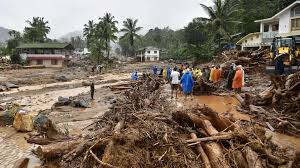
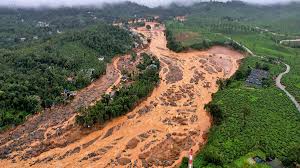
Wayanad, located in the Western Ghats of Kerala, India, is highly vulnerable to landslides, especially during the monsoon season. Landslides in Wayanad are a recurring issue, exacerbated by factors like heavy rainfall, deforestation, improper land use, and the region’s hilly terrain. Here’s an overview of landslides in Wayanad:
Causes of Landslides in Wayanad:
- Heavy Monsoons: Wayanad receives substantial rainfall during the southwest monsoon (June to September). Intense and prolonged rainfall can saturate the soil, reducing its stability and triggering landslides.
- Terrain: The steep slopes and rugged terrain of the Western Ghats contribute to the region’s vulnerability. When heavy rain falls on these slopes, it often loosens the soil, causing landslides.
- Deforestation and Unregulated Construction: Over time, large-scale deforestation, unregulated construction on slopes, and poor agricultural practices have increased soil erosion and weakened the natural slope stability.
- Soil Erosion: Continuous cultivation of crops and conversion of forest land to plantations (such as tea, coffee, and spices) have disturbed the natural vegetation cover, making the soil more prone to erosion.
Major Landslides in Wayanad:
- 2019 Wayanad Landslides: In August 2019, the district witnessed severe landslides during torrential monsoon rains. The worst-affected area was Puthumala in Meppadi, where entire villages were buried under mud and debris. This particular landslide claimed many lives, and rescue efforts were hampered by difficult terrain.
- 2020 and 2021 Landslides: The region continued to witness landslides in subsequent years, especially in the rainy season. Several parts of the district experienced landslides and flash floods, leading to loss of property and displacement of people.
Impact of Landslides:
- Loss of Lives: Landslides in Wayanad have claimed numerous lives over the years. The rapid descent of debris often gives little warning, making it hard for residents to evacuate in time.
- Damage to Infrastructure: Roads, bridges, and homes are frequently destroyed during landslides, leading to the disruption of transportation and communication in the region.
- Agriculture: As a largely agrarian district, landslides have severe repercussions on the livelihood of farmers. Crops and plantations are often buried under landslide debris, causing economic losses.
- Displacement: Landslides cause large-scale displacement of people, especially in vulnerable hilly areas. Many are forced to relocate to relief camps or temporary shelters during the monsoon season.
Measures Taken:
- Early Warning Systems: The government has been working on implementing early warning systems to alert people about potential landslides in vulnerable areas.
- Afforestation Projects: To reduce soil erosion and stabilize slopes, the Kerala government, along with local NGOs, has been promoting afforestation and reforestation projects.
- Rescue and Relief Operations: During monsoon seasons, the district administration is usually on high alert, with disaster management teams ready to provide immediate relief and rescue operations.
- Awareness and Training: Community-level programs are being organized to raise awareness about landslide risks and preparedness. Locals are also being trained on how to respond in the event of a landslide.
Future Challenges:
With climate change potentially increasing the intensity of monsoon rainfall, Wayanad and other hilly areas in Kerala may face more frequent and severe landslides. This has led to ongoing discussions about sustainable development, stricter regulation of construction activities in sensitive zones, and better land-use planning to mitigate the impact of future landslides.
Efforts are ongoing to balance development with ecological preservation, which is crucial to minimizing the future risks of landslides in Wayanad.