

Calculating or understanding a weather report involves interpreting various meteorological data, often summarized in a specific format. Here’s a breakdown of key components and how to interpret them:
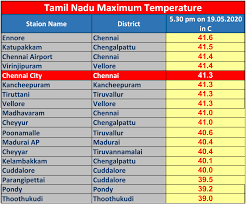
1. Temperature
- Current Temperature: This is usually presented in degrees Celsius (°C) or Fahrenheit (°F). It reflects the air temperature at a given moment.
- High/Low Temperatures: These indicate the expected maximum and minimum temperatures for the day.
2. Precipitation
- Rainfall Amount: Measured in millimeters (mm) or inches, this indicates how much rain is expected or has fallen.
- Chance of Rain: Expressed as a percentage, this indicates the likelihood of precipitation occurring during a specific period.
3. Humidity
- Relative Humidity: This is presented as a percentage and indicates how saturated the air is with moisture. Higher values mean more moisture, which can affect comfort levels.
4. Wind Speed and Direction
- Wind Speed: Often measured in kilometers per hour (km/h) or miles per hour (mph), indicating how fast the wind is blowing.
- Wind Direction: Given in degrees or cardinal directions (N, S, E, W), it indicates where the wind is coming from.
5. Weather Conditions
- Descriptions like “partly cloudy,” “sunny,” “overcast,” or “thunderstorms” provide qualitative information about the expected weather.
6. Barometric Pressure
- Measured in millibars (mb) or inches of mercury (inHg), this can indicate weather patterns. Falling pressure often suggests approaching storms, while rising pressure may indicate clearing conditions.
7. Forecast
- This section provides a brief outlook for the coming days, including expected weather patterns, temperatures, and precipitation chances.
Example Calculation
To calculate averages (like a daily average temperature), you would add the high and low temperatures for the day and divide by two. For rainfall totals, you would sum the amounts recorded over a period.
Sources for Weather Data
- Meteorological Departments: The IMD (India Meteorological Department) provides reliable forecasts and alerts.
- Weather Websites and Apps: Websites like Weather.com or AccuWeather offer detailed forecasts.
- Local News Outlets: Many local news stations provide updated weather reports specific to your area.
Today weather



hi, nice post